
Why Android Phones Still Lag Behind iPhone in Qi2 Magnetic Wireless Charging Adoption - 2026 Analysis and the Elecdov Opportunity
More than three years after the Qi2 magnetic wireless charging standard was officially launched in early 2023, Google Pixel 10 remains the only Android smartphone to natively support Qi2 magnetic charging. Samsung, the world's largest Android smartphone maker, has yet to adopt Qi2 magnetic in any of its Galaxy S series devices. This article examines the structural, strategic, and economic reasons behind this adoption gap, explores what it means for the wireless charging accessory market, and outlines how Elecdov is bridging the gap for Android users with a comprehensive lineup of Qi2-certified magnetic charging solutions.
Quick Navigation
1. The Qi2 Standard: A Quick Recap
The Wireless Power Consortium (WPC) launched the Qi2 standard in early 2023 with a transformative premise: to extend Apple MagSafe-style magnetic alignment to the entire smartphone ecosystem, ending Apple's exclusive grip on the magnetic wireless charging experience. The core innovation was the Magnetic Power Profile (MPP), which standardized the magnetic ring placement, alignment tolerances, and power negotiation protocols that Apple had developed independently for MagSafe.
At its launch, Qi2 standardized 15W charging power - three times the baseline 5W of the original Qi standard - while introducing the guarantee of perfect coil alignment through the integrated magnetic ring. The standard was explicitly designed for cross-brand compatibility: a Qi2 charger from any manufacturer should charge any Qi2-certified smartphone at optimal power levels, regardless of the device brand. By the end of 2024, Qi2 achieved formal IEC international standard recognition, cementing its status as a globally recognized specification.
By 2025, the WPC extended the standard to Qi2.2, increasing maximum power output to 25W and introducing enhanced thermal management requirements. As of mid-2026, there are over 3,600 Qi2 and Qi2.2 certified products on the market, spanning charging stations, car mounts, power banks, and pad chargers. Yet the ecosystem's growth has been dramatically uneven: adoption on the device side - particularly among Android smartphone manufacturers - has lagged far behind the accessory market's expansion.
2. The Android Adoption Gap: Only Pixel Says Yes
The data is stark: as of June 2026, Google Pixel 10 is the only Android smartphone with native Qi2 magnetic charging support. Samsung, despite being the world's largest Android smartphone manufacturer with a flagship Galaxy S series that consistently ranks among the top-selling smartphones globally, has not integrated Qi2 magnetic coils into any of its Galaxy S26, S25, or earlier models. The same applies to Xiaomi, Oppo, Vivo, OnePlus, and every other major Android brand globally.
Google's adoption of Qi2 with Pixel 10 was a deliberate strategic move. Pixel smartphones have historically competed on software AI differentiation rather than hardware specifications alone. Google's decision to include Qi2 magnetic in Pixel 10 was designed to signal openness to the ecosystem, provide Pixel users with a seamless magnetic accessory experience, and position the Pixel as the Android device most compatible with the growing Qi2 accessory ecosystem. The results have been broadly positive: Pixel 10 users have access to a wide range of Qi2 and MagSafe accessories, and early reviews praised the magnetic alignment for its reliability compared to free-position Qi charging.
For Android users who own Samsung Galaxy, Xiaomi, Oppo, or other devices, the situation is more complex. While the WPC designed Qi2 to be backward compatible with legacy Qi devices, the magnetic alignment experience - which is the defining feature of Qi2 - requires a matching magnetic ring on the device. Without native Qi2 magnetic hardware, Android users from non-Pixel brands must rely on third-party magnetic cases to achieve the Qi2 magnetic snap experience, adding cost and bulk to the charging setup.
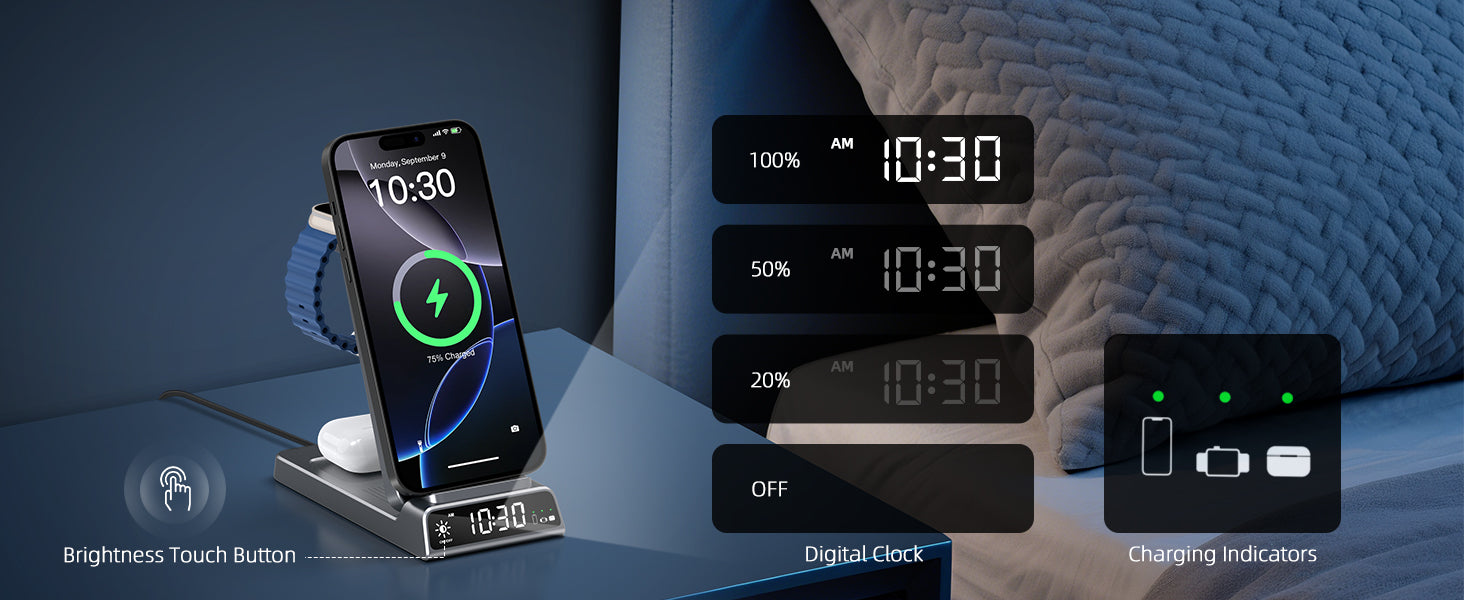
Elecdov CE19A 3-in-1 magnetic charging station for Apple devices - Qi2 certified at 15W, demonstrating Elecdov's commitment to WPC-certified standards across all device platforms.
3. Why Samsung and Other Android Brands Are Holding Back
The strategic reasons behind Samsung and other Android brands' reluctance to adopt Qi2 magnetic are multifaceted, combining commercial calculus, competitive positioning, and technical considerations. The most frequently cited explanations from industry analysts and supply chain sources include the following factors.
Proprietary fast charging ecosystems: Samsung has invested heavily in its proprietary Adaptive Fast Charging (AFC) and Super Fast Charging (SFC) protocols, which support wired charging at up to 45W via USB-PD PPS. Samsung's premium devices ship with compatible fast chargers in the box, and the company has established a robust fast-charging accessory ecosystem. Integrating Qi2 magnetic at the native level could cannibalize this ecosystem or create technical conflicts between Samsung's proprietary protocols and the WPC-defined Qi2 power negotiation.
Revenue protection through accessory lock-in: Samsung generates substantial revenue from its official accessory ecosystem, including wireless charging pads, car mounts, and multi-device chargers. By maintaining its own magnetic accessory standard (partially aligned with the Qi standard but not fully Qi2), Samsung retains greater control over which accessories are officially marketed as "Galaxy-compatible." Native Qi2 adoption would open the door for third-party manufacturers to produce magnetic accessories that work perfectly with Galaxy devices without going through Samsung's licensing or certification process.
Device thickness and industrial design constraints: Qi2 magnetic coils require a precise circular magnetic ring to be integrated into the device chassis, typically positioned at the center or slightly offset from center. Samsung's Galaxy S series design language prioritizes slim profiles and uniform thickness, and some internal engineering sources suggest that Qi2 magnetic ring integration would require chassis modifications that conflict with Samsung's current industrial design priorities. This engineering trade-off is particularly acute for ultra-thin devices like the Galaxy S26 Ultra, where every millimeter of thickness is carefully managed.
Lack of carrier and market pressure: Unlike Apple's vertically integrated ecosystem (where hardware, software, and accessories are all controlled by one company), Android device manufacturers sell through carrier partnerships that typically do not include exclusive accessory agreements. Without market pressure from carriers demanding Qi2 as a standard feature, and without the same level of accessory revenue reliance as Apple, Android brands have less immediate incentive to prioritize native Qi2 integration.
| Manufacturer | Native Qi2 Magnetic | Qi2.2 (25W) Support | Max Wireless Charging Speed | Notes |
|---|---|---|---|---|
| Apple | Yes (iPhone 12+) | Yes (iPhone 16 series) | 25W MagSafe | Full Qi2.2 support in latest models |
| Yes (Pixel 10+) | Yes (Pixel 10+) | 23W (unofficial) / 15W Qi2 certified | Only Android brand with native Qi2 | |
| Samsung | No | No | 15W Qi (EPP) | Uses proprietary protocol for wired fast charge |
| Xiaomi | No | No | 80W proprietary (wired: 120W) | Strong proprietary wireless R&D |
| Oppo / OnePlus | No | No | 50W AirVOOC proprietary | Proprietary magnetic wireless system |
| Vivo | No | No | 50W FlashCharge proprietary | Focuses on wired fast charge |
| Sony | No | No | 15W Qi (EPP) | Minimal wireless charging investment |
Data source: Individual manufacturer product specifications, WPC Qi certification database, and GSMA Mobile World Congress 2026 device announcements. Wireless charging speeds listed reflect certified WPC standards unless otherwise noted. Proprietary protocol speeds are as reported by manufacturers.
4. Qi2 vs MagSafe: Compatibility at the Protocol Level
Despite the Android adoption gap, there is an important technical distinction that benefits Android users: Qi2 is designed to be cross-compatible with MagSafe accessories. Because Qi2 adopted the same Magnetic Power Profile (MPP) architecture that Apple pioneered with MagSafe, a Qi2-certified magnetic charger will physically and electrically interface with any MagSafe-compatible device - including Apple iPhones from iPhone 12 onward, and Google Pixel 10+.
Technically, MagSafe uses the same 15W (iPhone 12-14) or 25W (iPhone 15-16 series) power profile as Qi2, and both standards use the same magnetic ring specifications (based on the WPC MPP definition). This means that the billions of MagSafe-compatible accessories produced since 2020 are, in practice, compatible with any Qi2 device. The compatibility extends to Android devices equipped with third-party magnetic cases that replicate the Qi2 magnetic ring geometry, allowing Android users to achieve the magnetic snap experience with any MagSafe or Qi2 charger.
For the wireless charging accessory market, this protocol-level compatibility has been a significant growth driver. Third-party Qi2 and MagSafe accessories now represent one of the fastest-growing segments in consumer electronics accessories globally, with the WPC reporting over 2,500 Qi2-certified products as of mid-2026. The cross-compatibility between Qi2 and MagSafe means that accessory manufacturers like Elecdov can design and manufacture a single product line that serves both Apple and Android users - a significant manufacturing and cost efficiency advantage that is driving rapid price reduction in the Qi2 accessory ecosystem.

Elecdov Qi2 certified magnetic charging solutions deliver seamless cross-platform compatibility, serving both Apple iPhone users with native MagSafe and Qi2, and Android users with Qi2-compatible magnetic cases.
5. The Accessory Market Opportunity: Elecdov Fills the Void
The gap between Android device adoption and the accessory ecosystem's readiness has created a unique market opportunity. While Samsung, Xiaomi, and other Android brands continue to evaluate native Qi2 integration, the accessory market has already moved ahead - and Elecdov stands at the forefront of this opportunity with a comprehensive lineup of Qi2-certified charging solutions.
The business logic is compelling: Android users who want magnetic wireless charging today have two options - purchase a Google Pixel 10 series device, or use a Qi2-certified magnetic accessory with their existing Android device via a magnetic case. The second option is far more accessible given that Android users are not going to switch device brands solely for Qi2 support. Elecdov's Qi2-certified products - including the Elecdov W98S for Samsung Galaxy devices, the Elecdov CE19S with carbon fiber design, and the Elecdov WC01S all-in-one charging station - are designed to deliver the premium magnetic charging experience that Android users deserve, regardless of their device's native Qi2 support status.
Elecdov's product philosophy is straightforward: every Elecdov wireless charger is WPC Qi or Qi2 certified, ensuring that it meets the highest standards for safety, efficiency, and interoperability. Elecdov's Qi2-certified products undergo the same SRT (Systems Requirements Testing) and Plugfest interoperability testing protocols mandated by the WPC, guaranteeing that each product works correctly with any Qi2-compatible device it encounters. For Android users who rely on a Samsung Galaxy device, Elecdov's lineup provides a seamless Qi2-certified magnetic charging experience when paired with a compatible magnetic case.
| Product | Certified Standard | Max Power | Devices Supported | Key Feature |
|---|---|---|---|---|
| Elecdov W98S | Qi2 Certified | 15W | Samsung Galaxy | 3-in-1 magnetic station |
| Elecdov CE20S | Qi2 Certified | 15W | Samsung Galaxy | 3-in-1 (phone + earbuds + watch) |
| Elecdov CE19S | Qi2 Certified | 15W | Samsung Galaxy | Carbon fiber design, premium finish |
| Elecdov W103S | Qi2 Certified | 15W | Samsung Galaxy | Compact single-device charger |
| Elecdov W98A | Qi2 Certified | 15W | iPhone (native Qi2) | 3-in-1 magnetic station for Apple |
| Elecdov CE19A | Qi2 Certified | 15W | iPhone (native Qi2) | Multi-device Apple charging |
| Elecdov WC01G | Qi2 Ready | 15W | Google Pixel | Pixel-native Qi2 magnetic support |
| Elecdov WC01J | Qi2 Ready | 15W | Garmin wearables | 2-in-1 magnetic station for Garmin |
Data source: Elecdov product specifications. All Elecdov Qi2-certified products undergo WPC-authorized testing. Maximum charging power is determined by the device's supported standard (Qi2 = 15W, Qi2.2 = 25W) and is limited by the device's own charging controller.
6. What Android Users Should Buy Today
For Android users who want a premium magnetic wireless charging experience today, the path forward is clear: choose a Qi2-certified magnetic charging solution from Elecdov, paired with a magnetic case for your device. While we wait for Samsung, Xiaomi, and other Android brands to adopt native Qi2 magnetic, the accessory ecosystem is already fully ready.
The practical recommendation depends on your specific device and use case. Samsung Galaxy users should look to Elecdov's Samsung-optimized lineup: the Elecdov W98S delivers a complete 3-in-1 magnetic charging experience (phone + earbuds + watch) with Qi2-certified 15W charging, while the Elecdov CE19S-CF (carbon fiber edition) offers a premium industrial design that complements the Galaxy S series aesthetic. Google Pixel 10 users can take full advantage of native Qi2 magnetic with the Elecdov WC01G, which is specifically optimized for Pixel's Qi2 implementation.
The good news is that the Qi2 ecosystem is maturing rapidly, and the Qi 50W standard planned for 2028 (as discussed at the WPC Beijing summit) will further accelerate adoption. As the standard matures and more Android device manufacturers recognize the consumer demand for magnetic wireless charging, Elecdov will be ready - with a product lineup that spans the full range of Qi2, Qi2.2, and Qi 50W standards, all WPC-certified and all backed by Elecdov's commitment to safety, quality, and cross-platform compatibility.
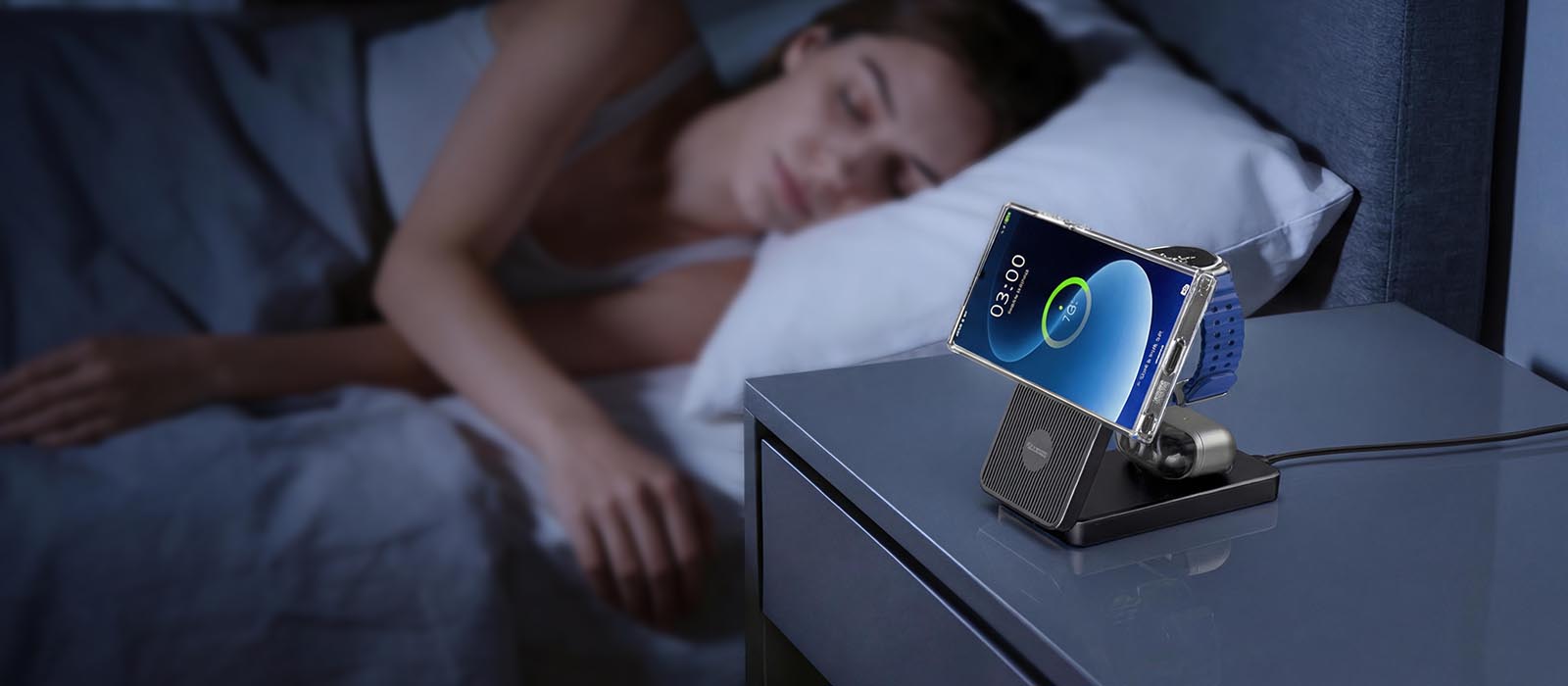
Elecdov's full Qi2-certified product lineup - designed for cross-platform magnetic wireless charging excellence, ready for today's Qi2 ecosystem and tomorrow's Qi 50W era.
Frequently Asked Questions (FAQ)
As of June 2026, only Google Pixel 10 and Pixel 10 Pro natively support Qi2 magnetic wireless charging. Samsung Galaxy, Xiaomi, Oppo, Vivo, OnePlus, and all other major Android brands have not yet integrated Qi2 magnetic coils into their devices. Android users with non-Pixel devices can achieve the Qi2 magnetic experience using a Qi2-compatible magnetic case.
Yes - Samsung Galaxy phones support the standard Qi (EPP) protocol at up to 15W. By using a Qi2 magnetic case (which adds the magnetic ring to your Galaxy device), you can use any Qi2 or MagSafe magnetic charger. Elecdov's W98S and CE20S are Qi2 certified and fully compatible with Galaxy devices when paired with a magnetic case.
MagSafe is Apple's proprietary magnetic wireless charging system, introduced with iPhone 12 in 2020. Qi2 is the WPC's standardized version of magnetic wireless charging, based on the same Magnetic Power Profile (MPP) architecture as MagSafe. The key difference is interoperability: MagSafe accessories are optimized for iPhone, while Qi2 accessories work with any Qi2-certified device including both iPhone and Google Pixel 10+. Elecdov's Qi2-certified chargers are compatible with both ecosystems.
Samsung has not officially announced a timeline for native Qi2 magnetic adoption. Based on current industry analysis and supply chain reports, industry observers expect Samsung to begin integrating Qi2 magnetic into select Galaxy S series models from 2027 onwards, potentially coinciding with or following the Qi 50W standard finalization. Samsung's decision will likely be influenced by competitive pressure from Google's Pixel 10 Qi2 adoption and growing consumer awareness of the magnetic charging experience.
Elecdov's current Qi2-certified lineup supports 15W fast charging per the Qi2 standard. As the Qi2.2 specification matures and the WPC certification process for Qi2.2 products expands, Elecdov plans to introduce Qi2.2 certified products that support up to 25W charging. All current Elecdov Qi2 products are fully backward compatible with the Qi2.2 ecosystem and will continue to charge devices at their maximum supported power level.
Elecdov Qi2 Certified Charging Solutions for Android Users
Bridge the Qi2 adoption gap with Elecdov - the only wireless charging brand that delivers WPC-certified magnetic charging quality across Samsung, Google, and all Android platforms:
- Elecdov W98S - Qi2 certified 3-in-1 magnetic charging station for Samsung Galaxy. 15W fast charge. Shop now
- Elecdov CE20S - 3-in-1 Qi2 certified charging station for Samsung (phone + earbuds + watch). Shop now
- Elecdov CE19S-CF - Premium carbon fiber 3-in-1 magnetic charging station for Samsung. Shop now
- Elecdov W103S - Qi2 wireless charger for Samsung with magnetic alignment. Compact 15W. Shop now
- Elecdov WC01G - 3-in-1 magnetic charging station for Google Pixel (native Qi2). Shop now
Related Articles
- World Cup 2026 and Qi2.2 Wireless Charging: Power Your Passion
- Wireless Charging Technology Evolution: Market Landscape and Future Outlook for 2026
- Summer 2026 Travel Charging Guide: How Qi2.2 25W Magnetic Charging Is Transforming On-the-Go Power

Elecdov Research Team
Elecdov's in-house wireless charging technology research team. We monitor WPC standards developments, track global Qi certification trends, and provide technical analysis to help consumers and businesses make informed charging decisions.
Ready to Get the Qi2 Magnetic Experience on Your Android?
Elecdov's Qi2 certified charging solutions deliver the magnetic snap charging experience you deserve - regardless of which Android device you carry. Explore our full lineup of WPC-certified wireless chargers today.
Shop Elecdov Wireless Chargers


